Feel in charge of your skin
PERSONALISED DERMATOLOGY TREATMENT PLANS
Lipomas are benign fatty lumps under the skin. They are very common and can be solitary or multiple
IN THESE VIDEOS, I EXPLAIN THE SYMPTOMS AND CAUSES OF LUMPS AND BUMPS – THE CATEGORY IN WHICH WE CLASSIFY LIPOMAS – AND HOW TO TREAT THEM
In the videos above, I explain things in a simple way that applies to most people who have benign growths on their skin. Of course, no video or website can replace the value of a personalised consultation. At your consultation, you can have your skin carefully examined and get an expert recommendation to help you resolve your condition.
Treatment helps people of all ages take control of their skin condition and get their life back.
How do lipomas impact people on a day-by-day basis?
LIPOMAS CAN SLOWLY GROW WHICH MAKES THEM MORE VISIBLY PROMINENT AND SOMETIMES BECOME PAINFULLY UNCOMFORTABLE

What are lipomas and who gets them
Lipomas are fatty lumps under the skin which can measure from a few millimetres to several centimetres in diameter. I see them in both men and women in adulthood and middle age.
Where do lipomas appear and how do they feel?
You might find them anywhere on the body but they are commonly found on the shoulders, back, chest, arms and thighs. They can have a soft and squishy or rubbery feel and are mobile under the skin.
Are lipomas cancerous?
That’s a common question. Lipomas are benign fatty lumps. There are rare fatty cancers known as liposarcomas. These tend to be more deep-seated and will behave differently to a benign lipoma. If you have a new painful and growing lump, I advise that you seek medical advice and review.
Lipomas can appear worrisome to those unfamiliar with the condition
If your lipoma is visible, it may cause undue concern in others about your health. Lipomas are harmless, however if they are causing cosmetic concern or physical discomfort, I can remove them with surgery.
Can you get rid of your lipoma?
The best treatment option is surgical removal (excision). That inevitably results in a linear scar. However, I can use specific surgical techniques to keep the length of the scar to a minimum.
What my patients love about my service
MY PATIENTS ARE MY BEST PROMOTERS
Please pass on my thanks to Dr Pratsou for her assessment on my continued taking of roaccutane.She was completely right, I didn’t need a new course, I needed to move away from the drug. The creams she gave me and Cetaphil recommendation have meant my skin has been the best it’s ever been (ongoing and since I saw her) ALL SUMMER :))))) I’ve had zero problems…and I’m loving it.
Thank you once again.
“Dear Dr Pratsou,
Following the consultation today I feel it appropriate to say thank you for your help in dealing with my rosacea.
On each occasion, I have visited your department I have noticed the kindness and cheeriness of all the staff I have encountered and particularly wanted to say that you made me feel at ease with your calmness and excellent manner.
All is much appreciated.”

“Thank you very much!!
You three were (and are) a great team!
I will remember you.
You made me feel comfortable.”

“Tania,
Please pass to Dr Pratsou my thanks for her skilled work.
The wound is healing beautifully and now the stitches are out it looks as though it will be almost invisible once fully healed.”
“Dear Dr Penelope, Rena & the team, (I can’t remember the nurse’s name who helped me during my 2 procedures at the Spire!)
I wanted to thank you for your support and help during a very difficult time. You guys do a wonderful job – and we are eternally grateful for your help.”
“I would like to put on record how impressed I was with the operation you performed for the removal of the SCC on my neck. I cannot even see where the cut or the stitches were! I am indeed very grateful for the excellent work you do.”
“Dear Dr Pratsou,
I am very grateful to you for your diagnosis, recommended treatment and advice. Your letter to my GP sets out both the course of events, and your own analysis of probable condition and possible cause, clearly summarising our discussion.
I hope there will be no recurrence but I will certainly come back to you if there is.”
“Dear Tania,
Please pass on my thanks to Dr Pratsou. I saw her this morning for a mole check. She was so lovely and reassuring. Please also thank the two nurses who assisted her during the mole removal procedure. I was very nervous, but they were very efficient, which meant I did not have too long to think about it, but most of all they were very kind. They kept me distracted and calm, which made a huge difference. Thank you also for your efficiency in both booking me in so quickly.”
Dear Ms. Pratsou,I am writing to thank you for the care you have given me in the past few months. From the moment I walked into your consulting room with a lesion on my cheek, a lesion that I fully expected to be some sort of skin cancer (and it was), you have been thorough, reassuring, respectful and in every way professional.
You recognised that I had some insight into the condition of my skin and the procedures required to treat me. You listened to me. You projected expertise and compassion.
During the procedure to remove the growth you ensured that the atmosphere in the treatment room remained not only calm, but actually pleasant. Had it not been that you were excising a growth and sewing me up, I almost felt as if you, me and the nurse were at some sort of women’s discussion group. The time flew by. I had zero anxieties about the procedure and as we both know now, the wound healed flawlessly.
Thank you for your expertise and your communication skills and all round good nature. I feel very lucky.
We have replaced the images and names of real patients who provided these testimonials to protect their privacy.
The first step to feeling in charge of your skin is to book an initial consultation
FIND OUT HOW TO GET THE SKIN YOU WANT
How it works
FEEL IN CHARGE OF YOUR SKIN IN 3 EASY STEPS
STEP 1 – CALL US
STEP 2 – LET’S MEET
STEP 3 – RESOLUTION

CONTACT MY STAFF
Give us a call on 01183151178 and we’ll help guide you towards a first appointment.

MEET WITH ME
I’ll see you and examine your skin before I recommend treatment. In some cases, I can begin treating your condition on the same day.

FEEL IN CHARGE OF YOUR SKIN
I’ll guide you down the road towards a resolution of your skin condition so that you can get back to normal life.
More information about lipomas
FOR THOSE WHO WANT THE DETAILS
Affiliations and memberships
I AM PROUD TO BE ASSOCIATED WITH THE FOLLOWING ORGANISATIONS






Questions and answers
RELEVANT AND INFORMATIVE VIDEOS AND ARTICLES
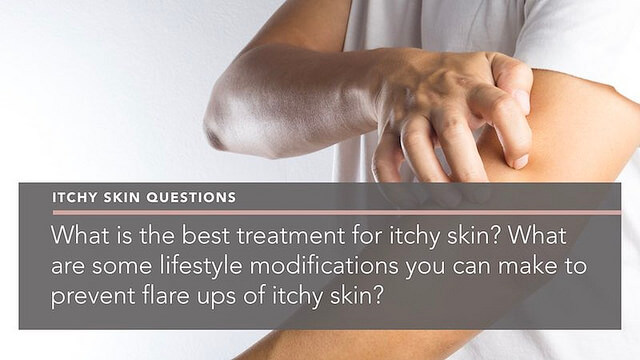
What is the best treatment for itchy skin?
The best treatment for itchy skin depends on the underlying cause. At the assessment, we will evaluate your skin and might run blood tests to try and find the underlying cause.
5 simple steps to get the clear and healthy skin you desire
With these 5 simple steps you can get the clear and healthy skin you desire. Dr Pratsou helps you to take control of your skin. Learn more...
What effect does acne have on people’s lives?
Penelope Pratsou discusses the effect of acne on people's daily lives. She explains how they feel before and after treatment. Learn more ...
What should you do if you have psoriasis?
You could be free of your psoriasis symptoms. Learn what to do if you have the skin condition and how to regain control over your skin ...
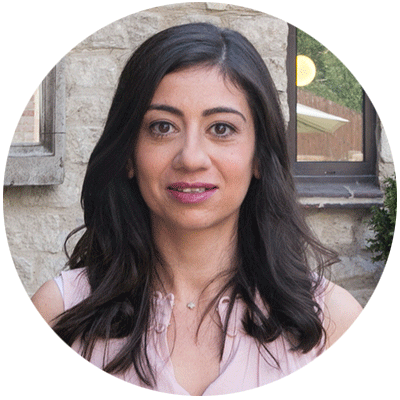
About the author
Dr Penelope Pratsou | Consultant Dermatologist
MBChB, MRCP (UK) (Dermatology)
I’m Dr Penelope Pratsou, a skilled independent Consultant Dermatologist based in Berkshire. I have specialist expertise in the diagnosis and management of all skin cancers, and in performing mole checks. I’m a trained skin surgeon and remove skin cancers, moles, skin tags, cysts and warts.
I also have invaluable experience in dealing with all skin conditions, from the common skin complaints of acne, rosacea, eczema and psoriasis, to the rarer and more complex skin problems, having seen it all through years of NHS work.
After I obtained my Membership to the Royal College of Physicians, I undertook rigorous specialist training in dermatology, before being appointed as a Consultant Dermatologist at the Royal Berkshire Hospital, Reading. There, I helped set up and lead a busy clinic for the diagnosis and treatment of suspected skin cancer. I was also actively involved in supervising and training both dermatology and GP trainees.
Alongside my increasingly busy private practice, I have maintained an NHS practice in Oxford in order to continue to engage with challenging cases and to develop my specialist interest in skin allergy.